Purpose Of Maroubra Roof Inspection

Provide a roof condition report to N.C.C 2016 Vol.2, AS 1562.1, AS 1562.3, SA HB 39 2015: The Installation Code For Metal Roofing and Walling as well as Manufacturer’s Instructions. For more information about our Eastern Sydney roof inspection services, click here.
Findings Detailed In Maroubra Roof Inspection Report

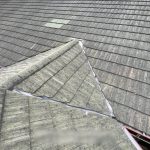
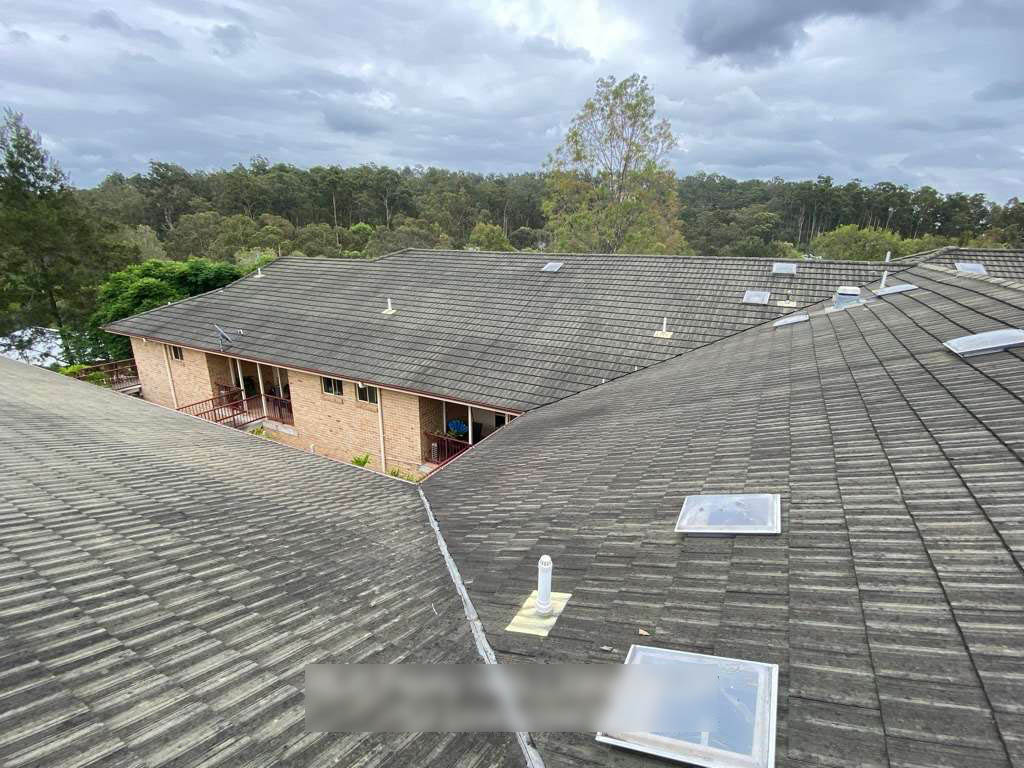
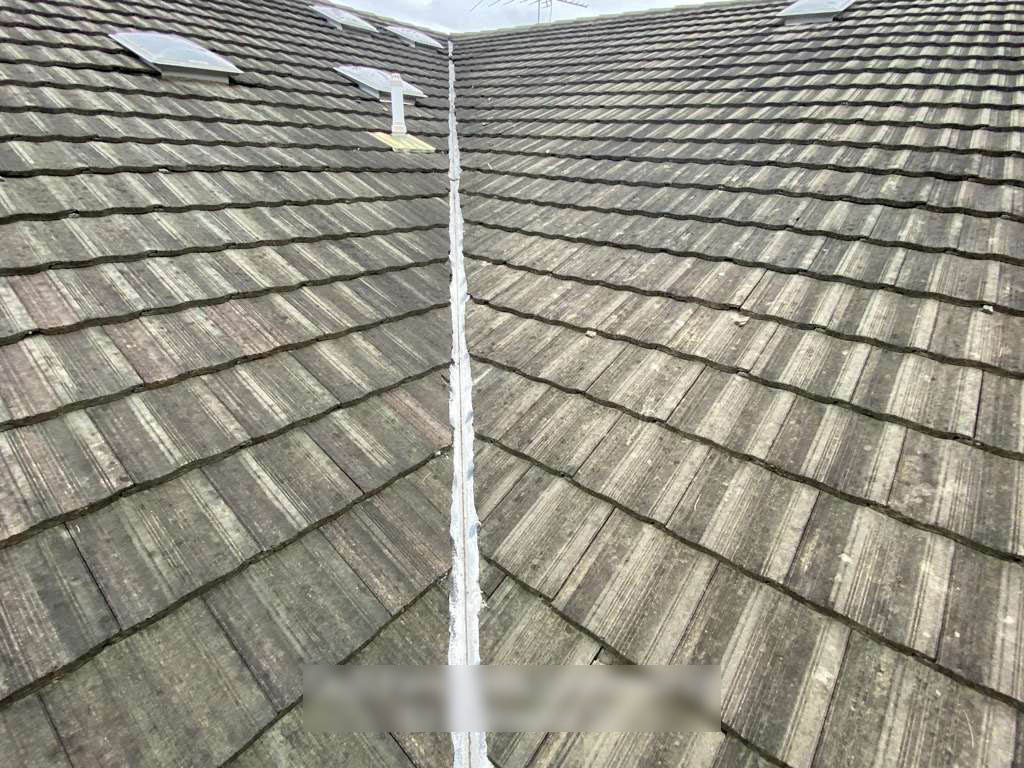
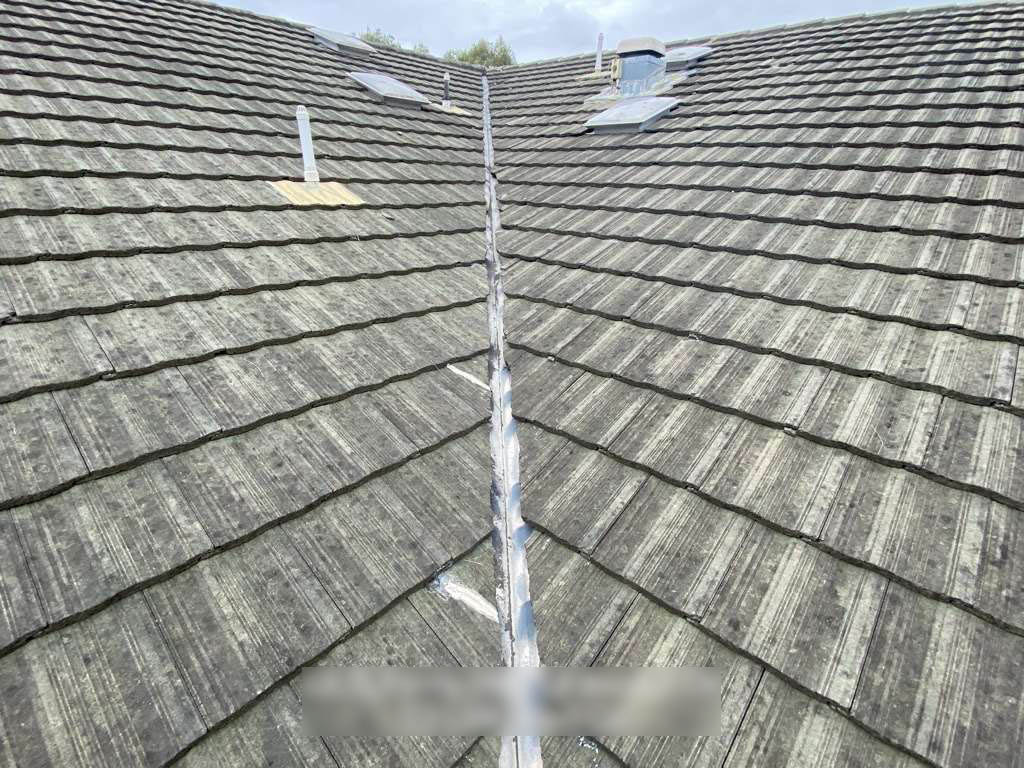
  • Evidence of previous repairs using silicone which has no longevity and breaks down under the sun’s UV rays. Flashing joints are not all undersealed and have insufficient fasteners, noncompliant to SA HB39 refer 8.2 and 5.8.3 as shown. Also, evidence of missing eave gutter resulting in water flowing straight over the flashing roof joint; this is potentially a risk of ingress.
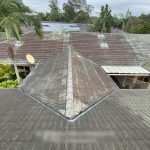
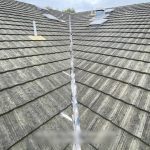
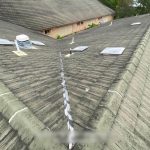
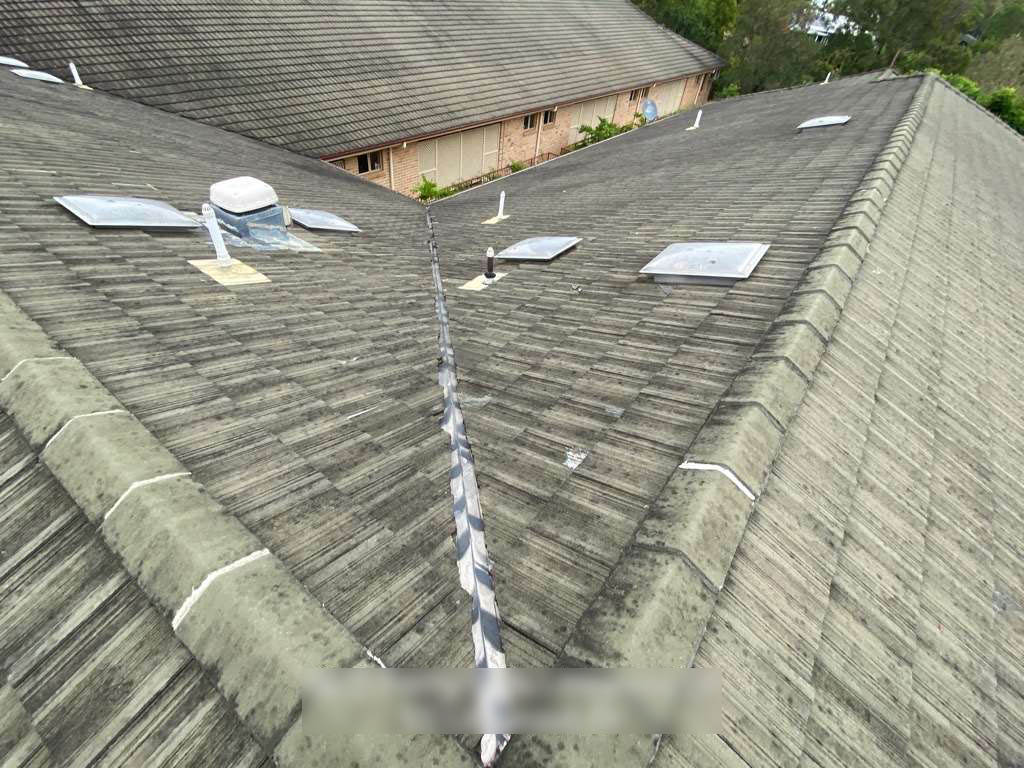
  • Evidence of numerous damaged and slipped roof tiles, resulting from lack of tile clips being installed. Valley roof tiles have not been cut to leave 100mm to 150mm channels as per manufacturer’s instructions, if not rectified may lead to ingress. Information regarding installation of roof tile valley is shown below.
  • Evidence of previous repairs to the broken roof tiles using silicone, which has no longevity and is just a temporary repair. If not rectified this will lead to ingress.
  • Evidence of previous repairs to the broken tiles to the valleys using silicone, which has no longevity and is only a temporary repair. Numerous slipped and damaged roof tiles are evident, resulting from lack of tile clips being installed. Valley roof tiles have not been cut to leave 100mm to 150mm channels as per manufacturer’s instructions, if not rectified may lead to ingress. Information regarding installation of roof tile valley is shown above.
  • More images of insufficient valleys, also evidence of debris blocking water flow if not rectified this will lead to ingress.
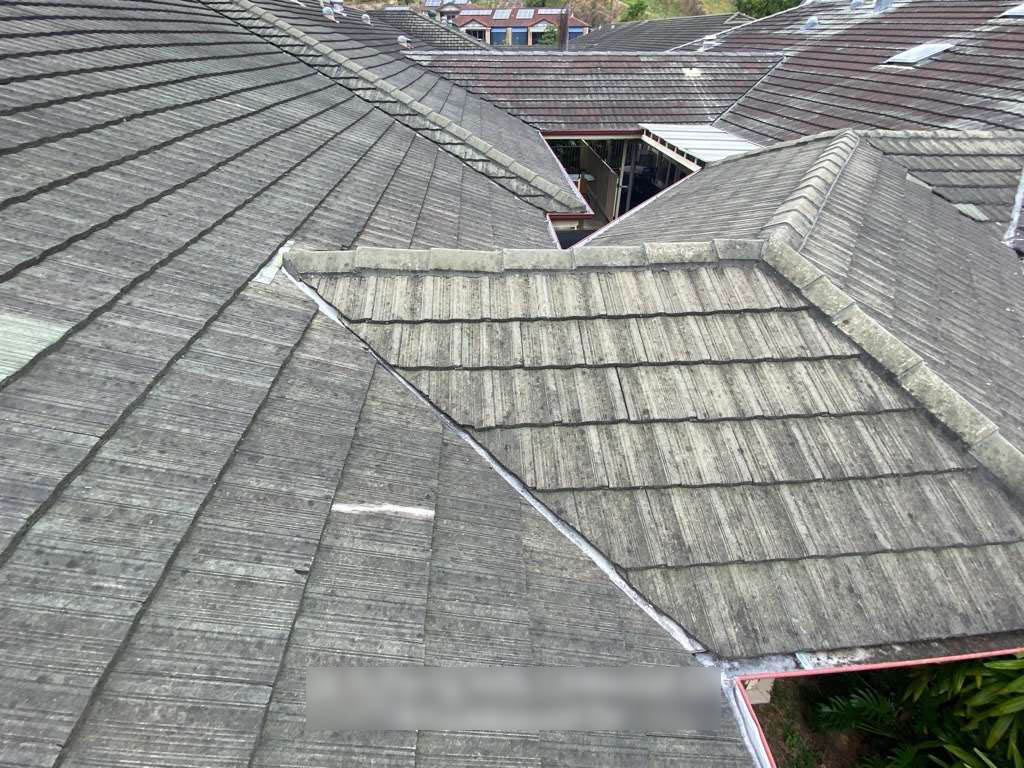
  • Evidence of previous repair to the ridge cap tiles using silicone, which is just a temporary repair and has no longevity, this is likely to trap in water and if not rectified this will lead to ingress.
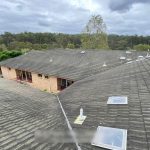
  • Evidence of slipped broken roof tile beside skylight which has been previously repaired using silicone, which has no longevity and is only a temporary repair, this will result in water being trapped in and lead to further ingress.
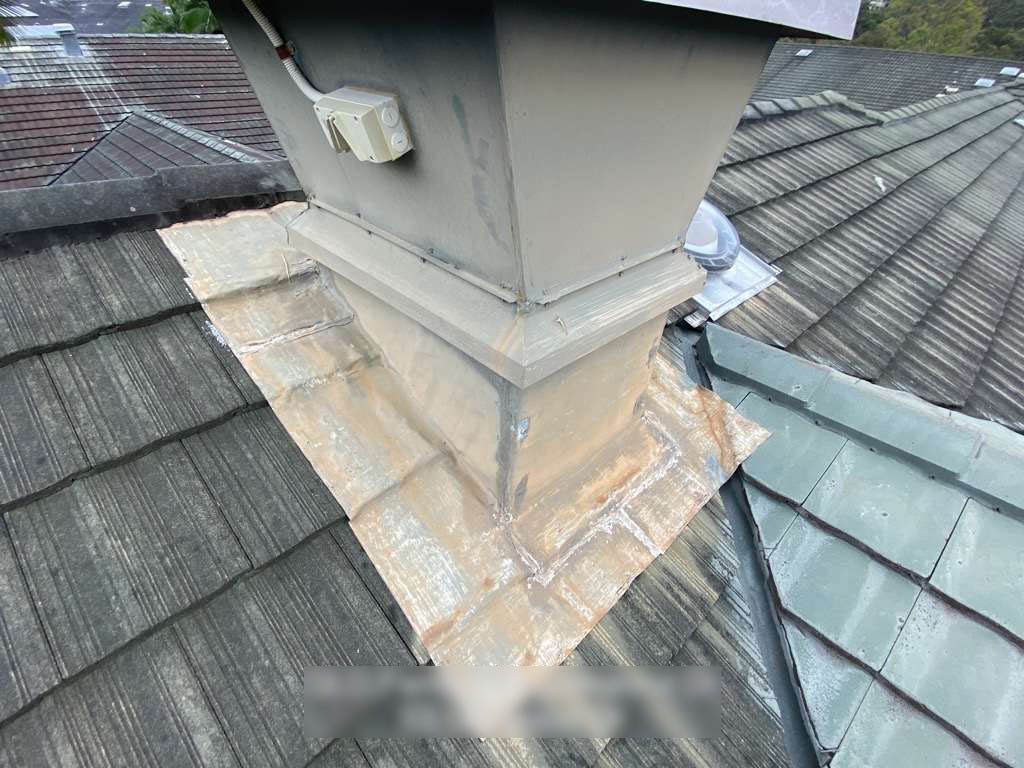
  • Evidence that the lead flashing around electrical vent penetration has been sealed to the roof tiles using silicone and Wetseal, which has longevity, is lapped against the flow of water and is likely to trap in water and lead to further ingress. Installing the lead flashing under the lap of the tile will increase longevity. Lead flashing requires a pressure flashing as shown below. Installing a pressure flashing will ensure longevity and compliance.
  • Electrical conduit penetration through the roof is heavily reliant on silicone, which has no longevity and does not comply with manufacturer’s instructions. Penetration must be fitted with a lead Dektite.
  • Lead Dektite is showing signs of deterioration, also evidence of damaged roof tiles around the area of ingress, which have been previously repaired using silicone, this has no longevity and is only a temporary repair. If not rectified this will lead to further ingress.
  • Evidence of previous repairs to the broken tiles to the valleys using silicone, which has no longevity and is only a temporary repair. Numerous slipped and damaged roof tiles are evident, resulting from lack of tile clips being installed. Valley roof tiles have not been cut to leave 100mm to 150mm channels as per manufacturer’s instructions, if not rectified may lead to ingress. Information regarding installation of roof tile valley is shown above.
  • More images of insufficient valleys, also evident of lead Dektite showing signs of deterioration, if not rectified this will lead to ingress.
  • Evidence that the lead flashing around electrical vent penetration has been sealed to the roof tiles using silicone, which has longevity, is lapped against the flow of water and is likely to trap in water and lead to further ingress. Installing the lead flashing under the lap of the tile will increase longevity. Flashing around the vent frame requires a pressure flashing as shown above. Installing a pressure flashing will ensure longevity and make it compliant.
  • Electrical conduit penetration through the roof is heavily reliant on silicone, which has no longevity and does not comply with manufacturer’s instructions. Penetration must be fitted with a lead Dektite.
  • Evidence of repairs to the broken tiles in the area of ingress using silicone, which has no longevity, also evidence of slipped roof tile besides skylight creating a gap. If not rectified this will lead to ingress.
  • Evidence of pipe penetrations which have been sealed to the roof tiles using silicone, which has no longevity and is only a temporary repair, one is lapped against the flow of water, and all are showing signs of deterioration, this is like the trap in water and lead to further ingress. Installing a lead Dektite under the lap of the tile will increase longevity.
  • Evidence of previous repairs to the broken tiles using silicone, which has no longevity and is just a temporary repair. If not rectified this will lead to ingress.
  • Evidence that the lead flashing is deteriorating with splits present; also, rotten timber has come away from the Dutch gable cladding. If not rectified this will lead to further ingress.
  • Evidence of slipped roof tile beneath the skylight creating a gap. If not rectified this will lead to ingress.
  • Evidence of numerous slipped and damaged roof tiles, resulting from lack of tile clips being installed. Valley roof tiles have not been cut to leave 100mm to 150mm channel as per manufacturer’s instructions, if not rectified may lead to ingress. Information regarding installation of roof tile valley is shown above in A.
  • Evidence of previous repairs to the broken roof tiles to the roof valleys using silicone, which has no longevity and is just a temporary repair. If not rectified this will lead to ingress.
  • Evidence of previous repairs to the lead flashing using silicone which has no longevity. Also, lead flashing has not achieved the 150mm recommended coverage, as shown. Installing a lead flashing in one piece will increase longevity. If not rectified this will lead to ingress.
  • Evidence of previous repairs to the broken roof tiles and ridge caps using silicone, which has no longevity and is just a temporary repair. If not rectified this will lead to ingress.
  • Evidence that the lead flashing around electrical vent penetration has been previously repaired using silicone which has no longevity. Also, electrical conduit penetration through the roof is heavily reliant on silicone, which has no longevity and does not comply with manufacturer’s instructions. Penetration must be fitted with a lead Dektite. If not rectified this will lead to ingress.
  • Roof has an underlying obstruction in the area shown. The obstruction is severe enough to cause noticeable deformation to the roof tiles and would be at risk ingress due to the roof tiles being raised and out of position.
  • Evidence of numerous slipped and damaged roof tiles, resulting from lack of tile clips being installed. Valley roof tiles have not been cut to leave 100mm to 150mm channels as per manufacturer’s instructions, if not rectified may lead to ingress. Information regarding installation of roof tile valley is shown above in A.
  • Harness anchor point penetration is heavily reliant on silicone and has been sealed to the roof tiles, this is likely to trap in water and lead to ingress. Installing a lead Dektite under the lap of the tiles will increase longevity.
  • Evidence that the lead flashing around electrical vent penetration has been previously repaired using silicone which has no longevity and has been sealed to the roof tiles, this is likely to trap in water and lead to ingress.
  • Aerial cable penetrations are heavily reliant on silicone which has no longevity. All penetrations must be fitted with a lead Dektite as per manufacturer’s instructions. Whirlybird has been sealed to the roof using silicone, this does not comply with manufacturer’s instructions and is likely to trap in water and lead to ingress.
  • Evidence of previous repairs to the broken roof tiles to the roof valleys using silicone, which has no longevity and is just a temporary repair. If not rectified this will lead to ingress. Aerial support bracket penetrations are heavily reliant on silicone which has no longevity. All penetrations must be fitted with a lead Dektite as to manufacturer’s instructions
  • Skylight has been sealed to the roof using silicone, this does not comply with manufacturer’s instructions and is likely to trap in water and lead to ingress.
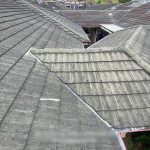
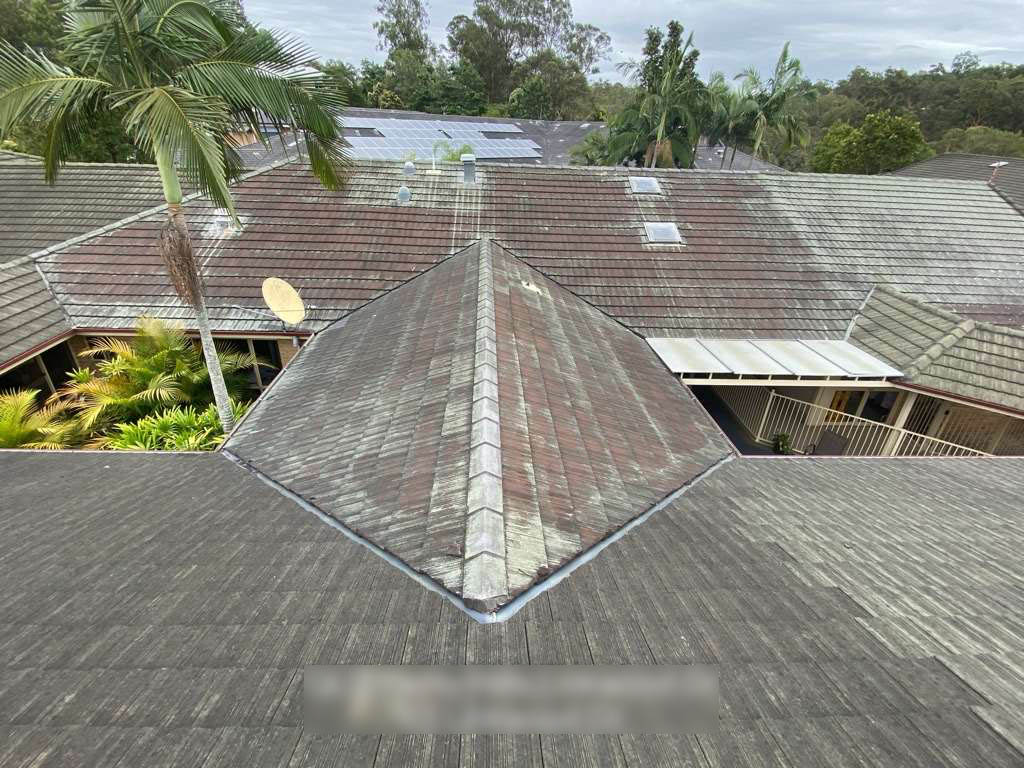
  • Evidence that all roof valleys to all buildings have numerous slipped and damaged roof tiles, resulting from lack of tile clips being installed. Valley roof tiles have not been cut to leave 100mm to 150mm channels as per manufacturer’s instructions, if not rectified may lead to ingress. Information regarding installation of roof tile valley is shown above.
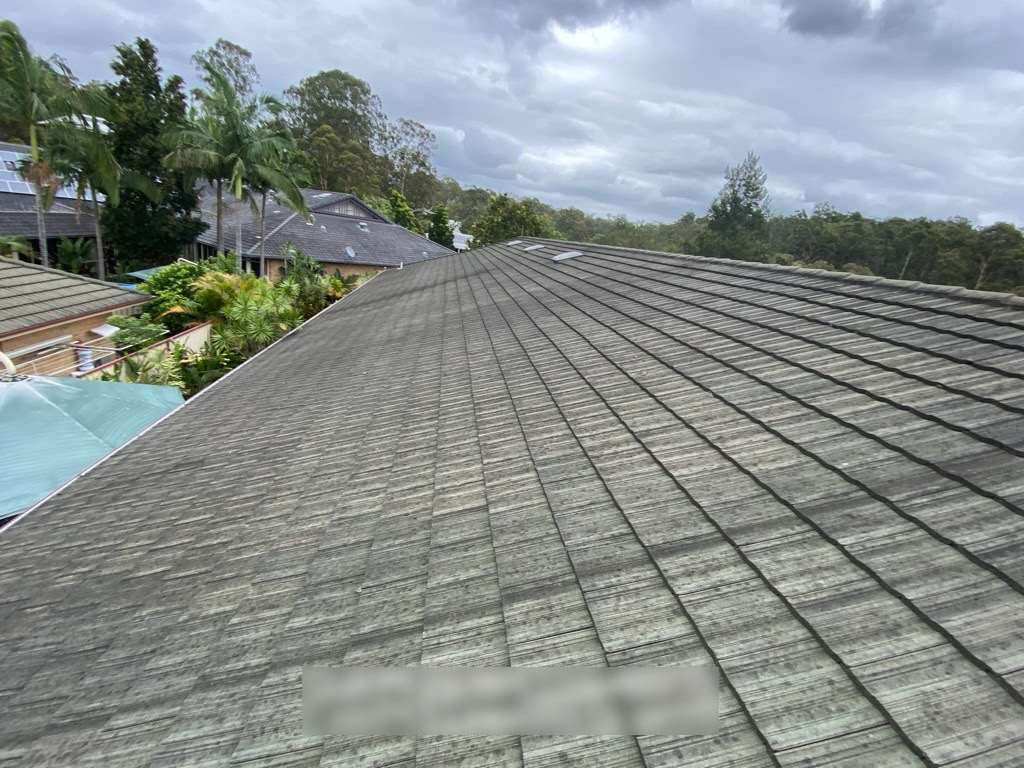
  • A large amount of damaged, broken, and repaired roof tiles using silicone across the whole roof have been identified. If not rectified this will lead to ingress.
  • Lead flashing to all Dutch gables are showing signs of deterioration and splits are evident, if not rectified this will lead to ingress.
  • All whirlybirds have been sealed to the roof using silicone, this does not comply with manufacturer’s instructions and is likely to trap in water and lead to ingress.
  • Evidence of all electrical penetrations which have been previously repaired using silicone has no longevity. Also, electrical conduit penetration through the roof is heavily reliant on silicone, which has no longevity and does not comply with manufacturer’s instructions. Penetrations must be fitted with a lead Dektite. If not rectified this will lead to ingress.
  • Lead flashing requires a pressure flashing as shown above in B. Installing a pressure flashing will ensure longevity and make it compliant.
  • Deteriorating and loose ridge caps and pointing is consistent throughout, which are producing gaps and we expect further failures causing ingress.
  • Evidence of numerous soil pipe penetrations showing signs of deterioration, and these have previously been repaired using silicone, which has no longevity. If not rectified this will lead to ingress.
  • There is evidence of sarking present, and the pitch of the main roofs is approximately 21.15 and 22.10 -degrees. This does comply with the manufacturer’s instructions. The minimum roof pitch for this design of tile is 20-degree pitch without sarking and 15- degree with sarking.

Conclusion And Recommendations:

There are many issues highlighted in this report caused by lack of maintenance, repairs, and faults. These issues have been aggravated by recent weather events. Repairs to the roof are evident and some have only provided a temporary fix. It would be beneficial to have these issues rectified to increase longevity.

Reference Images Used In Maroubra Roof Inspection Report

Want A Quick Quote On Our Roof Inspection Services?